Safe Transportation for Foreigners in Rio de Janeiro: Updated Guide 2026

Last updated: April 2026
Most visitors looking for safe transportation in Rio de Janeiro get burned at least once — usually on the first day. They step outside the hotel, accept a ride from the guy loitering by the entrance, and end up paying triple for a 10-minute trip to Copacabana. This guide covers every real option, with actual costs and specific stops, so you know what to expect before you leave the airport.
TL;DR (Quick Answer)
- Uber and 99 are the default for most trips — R$15–R$25 within Zona Sul, R$70–R$130 if you’re going to Barra da Tijuca.
- The metro costs R$6 per trip and is your fastest option in Copacabana and Ipanema during peak hours.
- Leblon has no metro. The nearest station is General Osório in Ipanema — about 15 minutes on foot.
- Never get into an unlicensed taxi from a hotel entrance. Licensed cabs and ride-hailing apps only.
- Airport transfers from Galeão (GIG) to Ipanema run R$90–R$140 by Uber, or R$150–R$300+ with a private service like Shuttle Rio.
1. Uber and 99: The Right Default for Most Trips
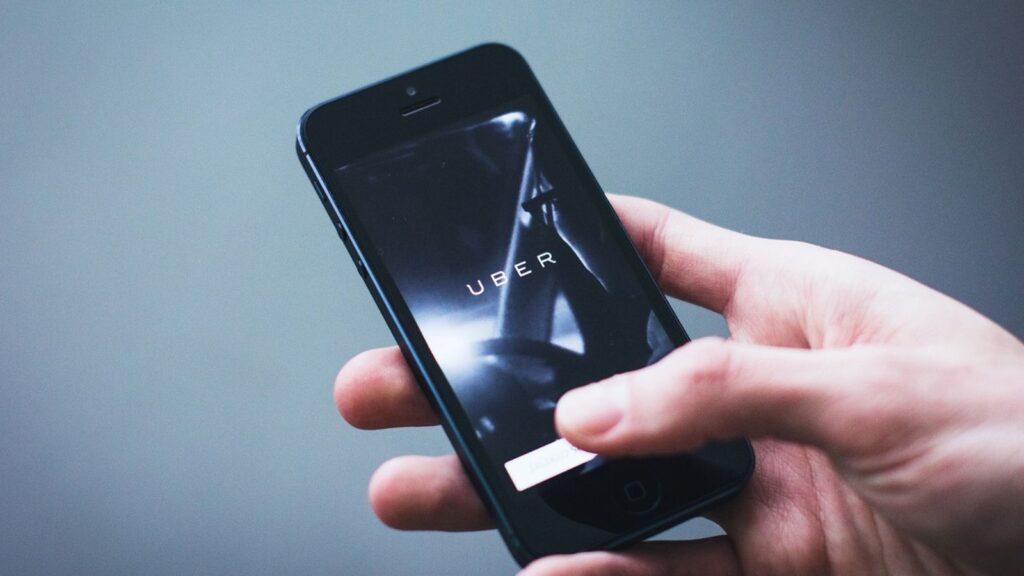
Uber is the most reliable option for foreign visitors in Rio. Both Uber and 99 track rides, require registered drivers, and accept international credit cards without any currency hassle. No Portuguese, no fare negotiation, no guessing if you’re being overcharged.
Short trips within Zona Sul — Copacabana to Ipanema, Ipanema to Leblon — typically cost R$15–R$25 and take under 15 minutes outside of traffic. Heading to Barra da Tijuca from Zona Sul is a different story: expect R$70–R$130 and 45–70 minutes depending on how the Linha Amarela is behaving. Budget for it.
Install 99 alongside Uber before you land. Late at night in Barra or Tijuca, 99 often has shorter waits when Uber gets stretched thin. If Uber shows 25 minutes at 1am, open 99 first — it’s the same basic service with a different driver pool.
Tips for Ride-Hailing in Rio
- Always confirm the driver’s name, plate, and car model before getting in. The app shows all three — use them.
- Board and exit in well-lit, busy spots. Avoid quiet side streets for pickup at night, especially in Lapa and Centro.
- Keep your phone face-down during the ride in less touristy areas. Flash-rob incidents at stopped lights are rare but happen.
2. Licensed Taxis: Fine, With One Major Condition
Rio’s yellow licensed taxis are regulated by the city and perfectly safe to use — with one catch. The cab idling outside your hotel offering to take you somewhere is almost certainly not one of them. Unlicensed drivers at hotel fronts are a well-known overcharging trap. The extra two minutes to step inside and call a verified driver from the lobby is always worth it.
Official airport taxis at Galeão charge flat rates by zone: around R$100–R$140 to Ipanema and R$110–R$150 to Copacabana. These are legitimate and clearly marked at the Taxi Oficial desk in arrivals. The Easy Taxi app works for calling verified cabs anywhere else in the city.
Tips for Taxis
- Confirm the meter is running before the car moves — if the driver hesitates, get out.
- Use Easy Taxi or request a taxi through your hotel desk for a verified driver.
- Never enter an unmarked vehicle regardless of how confidently the offer was made.
3. Rio Metro: Fast If You’re in the Right Neighborhood
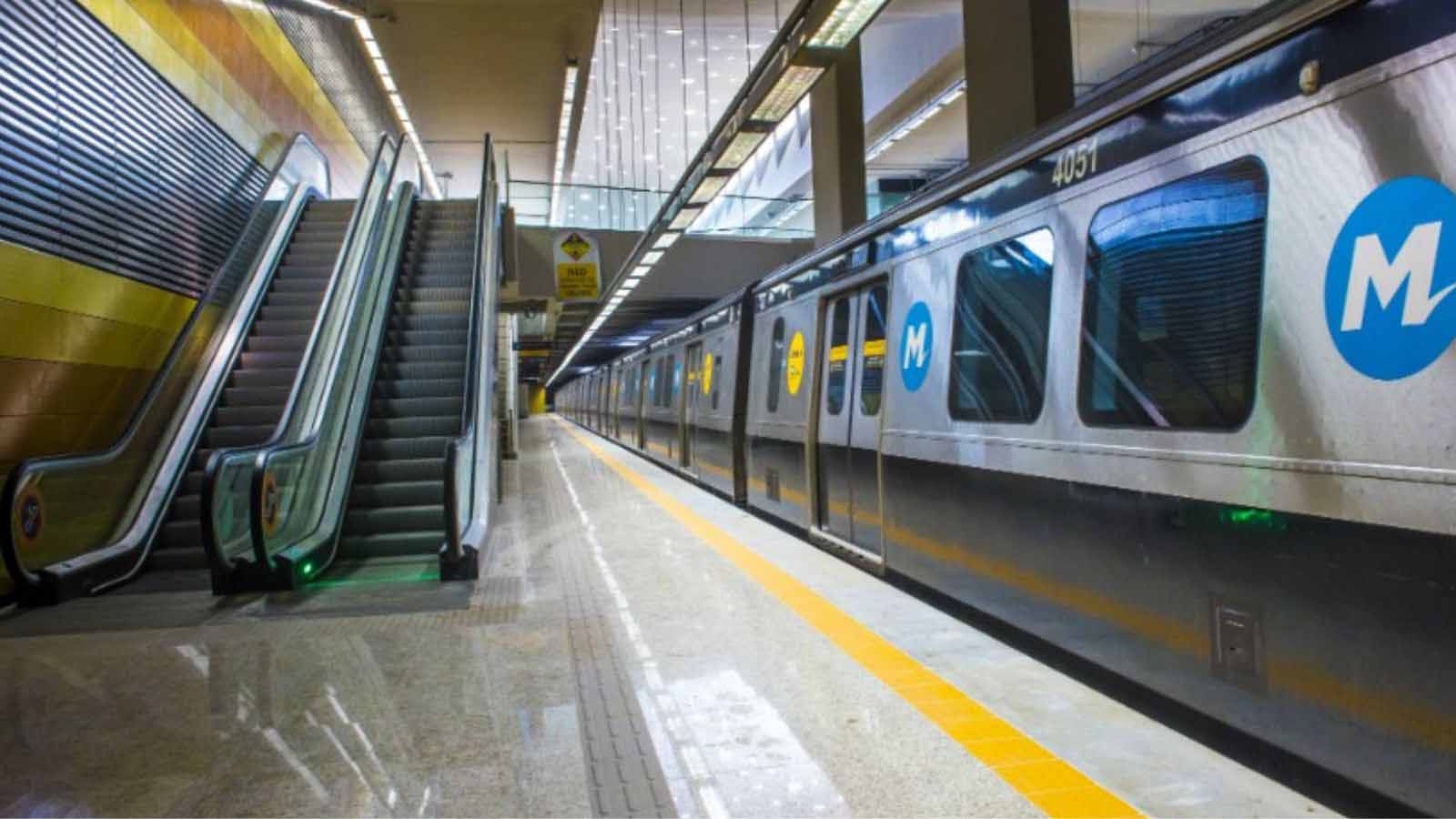
The metro is genuinely good — air-conditioned, fast, and R$6 per single trip. During peak hours in the South Zone, it beats sitting in a ride-hailing car for 40 minutes. Copacabana alone has three stations: Cardeal Arcoverde (north end), Siqueira Campos (central), and Cantagalo (near the Lagoa end). Ipanema is served by General Osório.
Leblon has no metro. The nearest stop is General Osório in Ipanema — roughly a 15-minute walk from the far end of Rua Dias Ferreira. At that point, a R$15 Uber is often the cleaner call. Barra da Tijuca also has no metro coverage; the network doesn’t extend that far west.
The metro doesn’t run 24 hours. Last trains run around midnight on weekdays and slightly later on weekends. Check the MetrôRio app for live timetables before planning a late-night return.
Metro Tips
- Keep your bag in front of you at busy stations – Siqueira Campos and General Osório get crowded at rush hour.
- Phone out of your hand and back pocket while waiting on the platform.
- Peak frequency is every 3-4 minutes. Off-peak waits can stretch to 10+ minutes – factor that in if you’re on a schedule.
4. City Buses: Cheap but Not Recommended After Dark
Rio’s buses cost R$3–R$5 per trip and cover almost the entire city. On the main Zona Sul corridors during the day, they’re usable and locals rely on them. After dark, or anywhere off the tourist corridor, they’re a different story — petty theft on buses at night is common enough that most experienced visitors switch to Uber once the sun goes down.
If you do use buses, pay with a Riocard transit card rather than cash — it’s cheaper and you avoid handling money at the payment point. Keep your bag facing forward, phone out of sight, and exit at a well-lit, busy stop. Never use the back door in unfamiliar areas.
5. Private Transfers: Worth It for Airport Arrivals and Groups
Private transfers make sense in two situations: arriving at Galeão (GIG) after a long-haul flight with luggage, or coordinating transport for a group. You book in advance, the driver meets you at arrivals with a sign, and there’s no surge pricing or hunting for the Uber pickup zone in an unfamiliar terminal.
Expect R$150–R$300+ from GIG to Zona Sul for a private transfer depending on company and vehicle size. Uber from GIG runs R$90–R$140 — cheaper, but you need the app open and a local data connection the moment you land. Sorting an eSIM before your flight is worth it exactly for this reason. Airalo and Holafly both cover Brazil with plans from around R$30–R$80 for a week — more detail in the Brazil eSIM guide.
Tips for Private Transfers
- Book at least 24 hours ahead during Carnival, New Year’s, or Rock in Rio — transfer capacity disappears fast during peak season.
- Verify the company name and driver match your booking confirmation before entering the vehicle at arrivals.
- Check Google or TripAdvisor reviews before booking — reputable services like Shuttle Rio have a clear track record.
6. Bikes and Electric Scooters: Zona Sul Only
The bike lanes running along Copacabana and Ipanema beaches are genuinely pleasant for daytime riding. Itaú Unibanco BikeRio docks are scattered through the South Zone, and scooter services operate near major tourist spots. Expect to pay roughly R$10–R$30 per hour depending on the service and distance.
Keep it to the marked bike lanes and the beach route. Trying to navigate Zona Norte or Centro traffic on a rented scooter is not a sightseeing activity — it’s a fast way to get lost, hit by a bus, or have the vehicle stolen at a red light.

7. Car Rentals: Only If You’re Leaving the City
Renting a car inside Rio is a bad idea for most tourists. Parking is expensive, traffic is genuinely bad, and the city’s one-way system will cost you an afternoon. Where car rentals do make sense: day trips to Búzios, Paraty, or Petrópolis — places where public transport doesn’t get you there conveniently.
Localiza, Hertz, and Movida all have pickup desks at Galeão (GIG) and Santos Dumont (SDU). Budget around R$120–R$200 per day for a compact before insurance. Get the full collision cover — roads outside the city can be rough and GPS won’t always warn you in time.
Car Rental Tips
- Use Google Maps navigation and check for camera-enforced restricted zones — some Centro streets issue automatic fines for non-residents.
- If GPS routes you through a favela-adjacent area at night, override it and take the longer route.
- Leave extra time for return — GIG is 45–60 minutes from Zona Sul without traffic, and longer with it.
All Options at a Glance
| Option | Typical Cost | Best For | Watch Out For |
|---|---|---|---|
| Uber | R$15–R$130 | Most daily trips in Zona Sul | Surge during rain, Carnival, events |
| 99 | R$15–R$120 | Late nights in Barra and Tijuca | Fewer drivers in some areas vs Uber |
| Licensed Taxi | R$25–R$150 | Airport fixed rates; if phone is dead | Unlicensed drivers at hotel fronts |
| Metro | R$6/trip | Copacabana–Ipanema belt at rush hour | No coverage in Leblon or Barra |
| Bus | R$3–R$5 | Budget daytime travel on main routes | Petty theft risk after dark |
| Private Transfer | R$150–R$300+ | Airport arrivals, group trips | Must book in advance |
| Bike / Scooter | R$10–R$30/hr | Beach rides along Zona Sul coast | Dangerous outside marked bike lanes |
| Car Rental | R$120–R$200/day | Day trips outside Rio | City traffic, parking, restricted zones |
FAQs
How much does Uber cost in Rio de Janeiro?
R$15–R$25 for short trips within Zona Sul (Copacabana to Ipanema, Ipanema to Leblon). Longer trips to Barra da Tijuca run R$70–R$130. Prices surge during rain, Carnival, and New Year’s Eve — sometimes double or more. The 99 app is worth checking when Uber wait times spike late at night.
Is the Rio de Janeiro metro safe for tourists?
Yes — and it’s fast. A single trip costs R$6. Copacabana has three stations (Cardeal Arcoverde, Siqueira Campos, Cantagalo) and Ipanema is served by General Osório. Keep your phone out of view and your bag in front during rush hour — pickpocketing at busy platforms happens. Last trains run around midnight; check the MetrôRio app for exact times.
What’s the safest way to get from Galeão airport to Ipanema?
Uber works well and costs R$90–R$140. You’ll need a working data connection — sort an eSIM from Airalo or Holafly before you land so the app is ready at arrivals. Private transfers through companies like Shuttle Rio cost R$150–R$300+ but include a driver waiting at arrivals, which removes all the navigation stress after a long flight.
Can I use Uber in Rio with a foreign phone number?
Yes. Uber works with any international number and accepts foreign credit cards. Sign up before you depart. If you don’t have local data on arrival, use airport WiFi at GIG or SDU to call your first ride – then switch to a local eSIM for the rest of your stay.
Are taxis safe in Rio de Janeiro?
Licensed yellow taxis are safe. The problem is unlicensed drivers who approach tourists at hotel entrances — always avoid these. Use the Easy Taxi app or ask your hotel desk to call one. Confirm the meter is running before the car moves; if the driver resists, exit immediately.
Getting around Rio safely comes down to using the right tool for each situation – Uber or 99 for most trips, the metro when Copacabana traffic is bad, and a private transfer when you land tired at Galeão. If you’re still putting together the basics for your trip, the full Rio setup guide covers everything from SIMs to accommodation – and for a broader look at staying safe in the city, this page is worth a read before you arrive.
Last updated: April 2026
Follow us
- X (formerly Twitter): @RioLadies_
- Reddit: r/RioLadies_
- Bluesky: @rioladies.bsky.social
- Instagram: @luxuryescapesrj
- TikTok: @luxuryescapes_rj
Visit RioLadies.com to find your Luxury Escort in Rio de Janeiro. All profiles are verified, discreet and tourist-friendly.