Brazil Ministry of Tourism Changes Visitor Registration Rules: What “FNRH Digital Brazil” Means for Travelers in Rio
Last updated: 4 April 2026
TL;DR (Quick Answer)
- Brazil’s Ministry of Tourism has replaced the paper guest-registration card with the digital Ficha Nacional de Registro de Hóspedes (FNRH), short FNRH Digital
- From 20 April 2026, all hotels, pousadas, resorts and hostels must use this new online form.
- Travellers can pre-fill their details via a link or QR code, and foreigners simply choose the “Foreign/Extranjero” option.
- You still need to show a passport or CPF at reception, and hotels remain free to set their own visitor policies.
- The digital change doesn’t apply to residential rentals such as Airbnb.
- To avoid surprises, ask your hotel about visitor rules before booking and keep a screenshot of their answer.
- If you need company during your stay, start here: browse verified escorts in Rio de Janeiro.
When the Brazilian government announced that the long‑standing paper guest card would go digital, rumours spread fast. Many travellers worried that hotels in Rio de Janeiro would suddenly become stricter about room visitors or demand additional documents. This guide demystifies FNRH Digital, explains what really changed in 2026 and clarifies how the new rules affect check‑in, room visitors and last‑minute plans.
What is FNRH Digital?
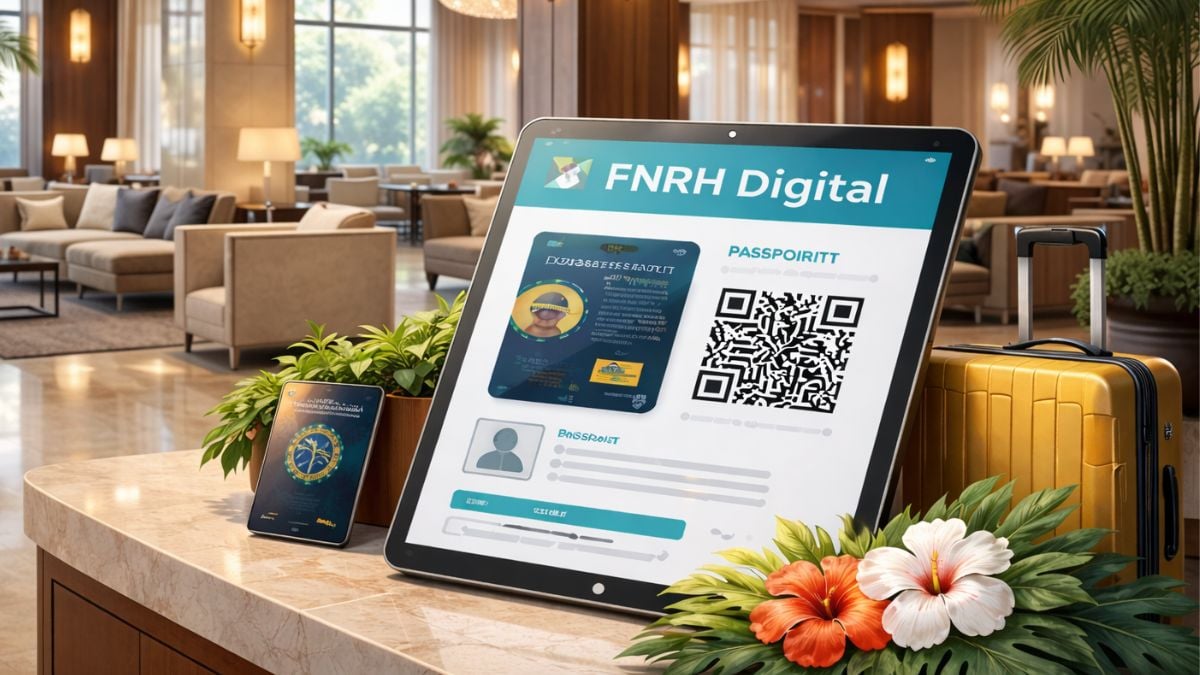
The Ficha Nacional de Registro de Hóspedes (FNRH) is Brazil’s national guest‑registration form. For decades it existed on paper, and every hotel had to file a physical card for each guest. In 2026 the Ministry of Tourism and the federal IT company Serpro launched a unified digital platform that replaces the paper card. Hotels send you a link or display a QR code; you fill in your personal details and travel dates, and the system transmits the data to the government in real time. The portal integrates with Brazil’s gov.br single‑sign‑on account, so if you have a CPF your data is auto‑filled. The law still requires hotels to ask for a photo ID (passport or national ID) at check‑in.
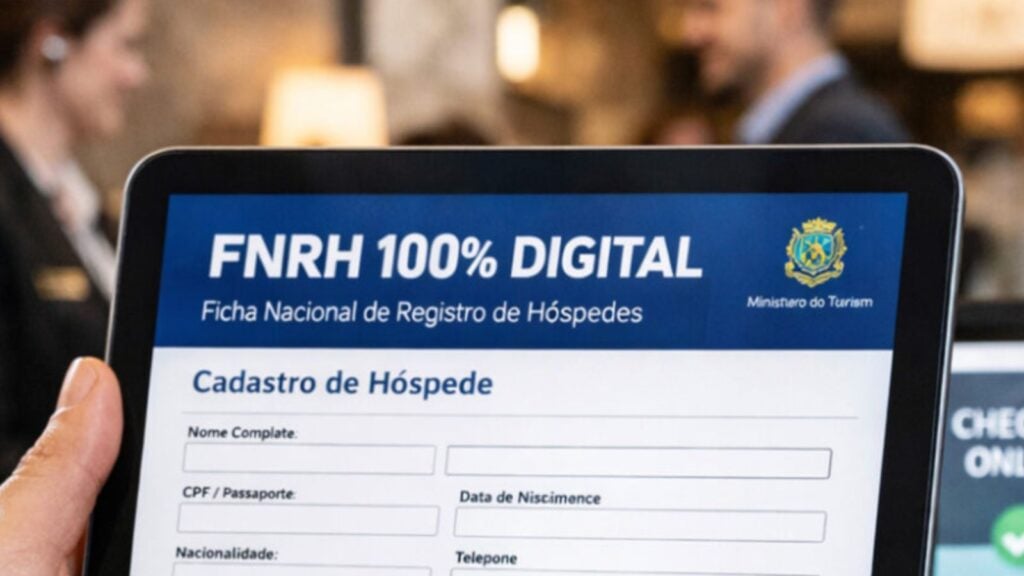
For international visitors who do not have a CPF, there is a dedicated “Extranjero/Foreign” button. You choose the language (Portuguese, English or Spanish) and provide your name, nationality, passport number and country of residence. Each adult completes a separate form, while minors are added as dependants on a parent’s registration. If you are uncomfortable with online forms, you can still complete the digital FNRH at the reception desk; staff will help you scan the QR code or manually enter the data.

What changed in 2026?
The key change is the mandatory digital format. According to Portaria MTur No. 41/2026, hotels across Brazil must stop using paper cards and adopt the digital FNRH by 20 April 2026. The original deadline of 19 February was pushed back by 60 days to allow operators to fix integration issues. From 1 April the Ministry launched a 20‑day countdown: every hotel, pousada and short‑stay accommodation must migrate to the new platform. Using paper forms after this date can trigger fines and, in extreme cases, suspension from Brazil’s national tourism registry (Cadastur).
The digital platform is secure and compliant with Brazil’s General Data‑Protection Law (LGPD). Hotels only see the operational data needed to manage your stay, while anonymised statistics feed government dashboards. The Ministry estimates that mid‑size hotels will save roughly R$35,000 per year on printing and archiving and that average check‑in time will drop from five minutes to about 60 seconds.
Who does the FNRH apply to — and who is exempt?
Portaria MTur No. 28/2025 defines “means of accommodation” broadly. It covers hotels, pousadas (guesthouses), resorts, hostels, flats/apart‑hotels and wilderness lodges. These businesses must adopt the digital FNRH and follow the new check‑in/out rules. The regulation does not apply to furnished residential rentals booked through platforms such as Airbnb or Booking. Owners of private apartments may still request your ID and contact details, but they are not bound by the federal hotel‑registration system.
Within hotels, every guest (including local visitors) must provide a valid photo ID. Brazilian guests typically use their RG or driver’s licence, while foreigners present a passport or immigration document. Companions and visitors also need to register, so always carry identification for anyone joining you.
What does FNRH Digital mean for travellers in Rio de Janeiro?
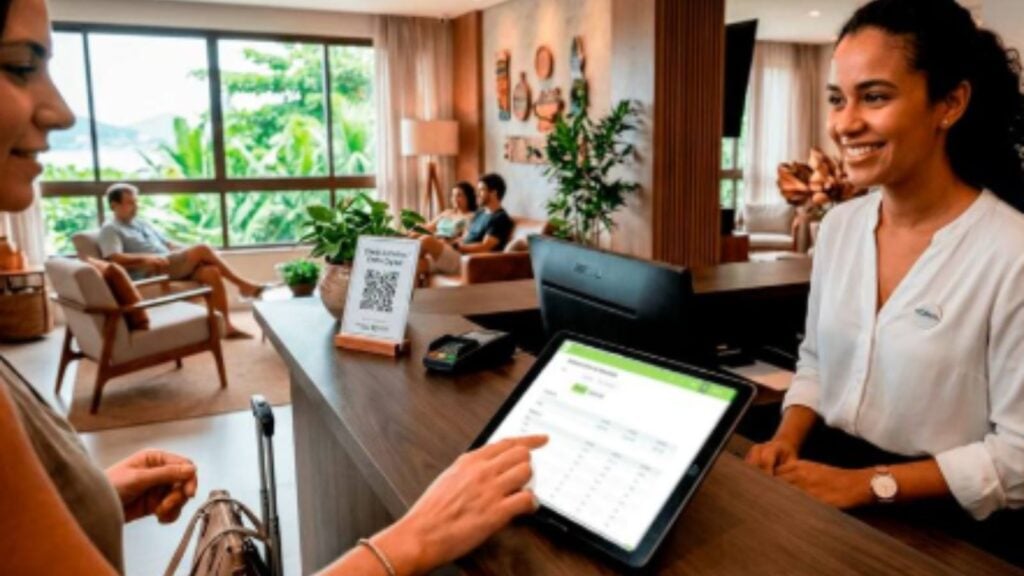
For most tourists, very little changes beyond filling out a digital form instead of signing a paper card. You still check in at the front desk, show your passport and get your room key. The difference is that you can now complete most of the paperwork in advance: your hotel may email a pre‑check‑in link, or you can scan a QR code on arrival. Completing the form ahead of time helps you avoid queues and makes the process smoother.
If you are travelling with companions, remind each person to complete their own FNRH. Minors are added under a parent’s profile. If you do not have a gov.br account, you can still fill out the digital form; however, registering a gov.br account speeds up repeat stays because your data is saved for future bookings.
Room visitors and hotel reception rules
One of the most common questions from Rioladies readers is whether FNRH Digital means hotels will no longer allow room visitors. The answer is no. The digital FNRH is a modernisation of an existing requirement; it does not impose new visitor restrictions. Hotels are still free to set their own policies on non‑registered guests. Some high‑end properties ban visitors entirely, while others allow them after registering the visitor’s ID. Budget hotels may charge a small fee for additional guests. In all cases, you must present a valid ID for any companion.
It is important to understand the difference between the national registration system and individual hotel policies. The FNRH collects guest data for public‑security and statistical purposes; it does not dictate whether your girlfriend, date or friend can come up to your room. Each hotel decides its own visitor rules, and those rules vary widely. For a smoother experience:
- Ask about the visitor policy before booking. Many hotels in Copacabana and Ipanema are “guest‑friendly,” while others are strict. Send a short message (see the template below) to the front desk and get a written answer.
- Always carry identification. Reception staff may ask for your companion’s passport or national ID. Photocopies are often refused.
- Plan alternative meeting locations. If your hotel forbids visitors, consider meeting at a lounge, bar or one of Rio’s discreet motels. Our guides to guest‑friendly hotels and motels can help.
Hotels vs Airbnb and short‑term rentals
The digital FNRH requirement applies only to registered hospitality businesses. Residential rentals on Airbnb or Booking are excluded. That said, many apartment hosts still ask for your passport and may record your details for their own security. Airbnbs often provide more privacy for room visitors because there is no reception desk. However, you should verify building rules: some condominiums require guest registration or restrict entry after midnight.
Hotels offer advantages in terms of staff support, 24/7 security and the ability to call taxis or deliveries. They also handle the bureaucracy of the FNRH for you. If you prefer a fully guest‑friendly environment with fewer rules, consider booking one of the hotels listed in our best hotels for sex in Rio. If you value privacy above all, read our guide on where to stay in Rio – hotel or Airbnb to compare.

What travellers should do before booking
To avoid frustrating surprises at reception, follow these steps:
- Check the hotel’s visitor policy in writing. Use the message template below to ask about visitors, ID requirements and any fees. Keep a screenshot or email.
- Confirm FNRH Digital readiness. Ask whether the property has adopted the new system. While all hotels must comply by 20 April, some smaller pousadas may still be transitioning.
- Set up your gov.br account if possible. Having a CPF and account makes the digital form faster. Foreigners can use the “Foreign” option.
- Keep your passport handy. Even with the digital FNRH, reception will ask to see your passport or ID.
- Plan a fallback. If a hotel refuses visitors or you need more privacy, consider booking a few hours at a motel or switching to a more guest‑friendly hotel. Our discreet motel guide outlines prices and locations.
Comparison of options when visitor policies clash
| Scenario | Typical cost in R$ (per night or stay) | Approx. cost in USD | Key pros & cons |
|---|---|---|---|
| Stay at the same hotel and respect visitor rules | R$400–900 / night | $80–180 | Convenient if rules allow visitors; no need to move; may require ID registration and possible fee |
| Switch to a guest‑friendly hotel in Copacabana or Ipanema | R$500–1,200 / night | $100–240 | More flexible visitor policies; upgrade your experience; may pay slightly more per night; check our guest‑friendly hotel list |
| Use a discreet motel for a short stay (3–6 h) | R$70–200 / stay | $15–40 | Maximum privacy; no overnight check‑in; usually includes parking and room service; located outside tourist areas; requires short taxi ride |
| Book an Airbnb or serviced apartment | R$300–800 / night | $60–160 | Greater privacy; no reception; building rules vary; cleaning fees and security deposits apply; digital FNRH not required |
Copy/paste message templates
When in doubt, ask your accommodation about visitor and registration policies. Here are two short templates you can send via email or WhatsApp:
English:
Hello,

I’m planning to stay at your hotel from [dates]. Could you please confirm whether overnight visitors are allowed in my room? Do you require any additional registration or fees for guests, and are you already using the FNRH Digital system? Thank you in advance.
Português:
Olá,

Pretendo me hospedar no seu hotel de [datas]. Poderia confirmar se visitantes são permitidos no quarto? Há alguma taxa ou registro adicional para acompanhantes? Vocês já utilizam a FNRH Digital? Agradeço desde já.
FAQ
What is the FNRH Digital and when does it become mandatory?
The FNRH Digital is an online guest‑registration form that replaces Brazil’s paper hotel card. Hotels must adopt it by 20 April 2026.
Do I need a gov.br account to fill out the form?
No. A gov.br login is optional but speeds up the process. Foreigners can choose the “Foreign/Extranjero” option to enter their passport details.
Does the digital FNRH apply to Airbnb rentals?
No. The regulation applies to hotels, pousadas, resorts and hostels. Residential rentals on platforms like Airbnb and Booking are exempt.
Will hotels become stricter about guests and visitors because of the FNRH?
No. The digital FNRH modernises an existing requirement and does not create new visitor restrictions. Each hotel continues to set its own policy. Always ask about visitor rules before booking and have identification for your companion.
What should I do if my hotel refuses visitors?
Consider switching to a more guest‑friendly hotel or booking a discreet motel for a few hours. Our guides to guest‑friendly hotels and motels offer options at different price points.
Does FNRH Digital affect check‑in and check‑out times?
Not directly. New rules require hotels to clearly inform check‑in and check‑out times and allow up to three hours of the 24‑hour daily rate for cleaning, but hotels set their own schedules.
Can I still check in if I haven’t filled out the digital form in advance?
Yes. Reception staff can help you complete the FNRH online upon arrival. Completing it beforehand simply saves you time at check‑in.
If you value discretion and want to make the most of your time in Rio, browse our verified profiles and plan ahead. Start by reading our booking guide, learn the etiquette tips that keep everyone safe and happy, explore the typical price ranges and check out our Rio directory. Safe journeys!
Sources
- Brazil Ministry of Tourism — FNRH Digital deadline update (February 19, 2026)
- Brazil Ministry of Tourism — lodging entry/exit rules in force (December 15, 2025)
- Brazil Ministry of Tourism — FNRH Digital overview (September 16, 2025)
- Brazil Ministry of Tourism — FNRH Digital FAQ
- Ficha Nacional de Registro de Hóspedes
Follow us
- X (formerly Twitter): @RioLadies_
- Reddit: r/RioLadies_
- Bluesky: @rioladies.bsky.social
- Instagram: @luxuryescapesrj
- Tiktok: @luxuryescapes_rj
Visit RioLadies.com to find your Luxury Escort in Rio de Janeiro. All profiles are verified, discreet and tourist-friendly.